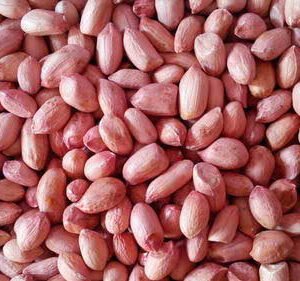
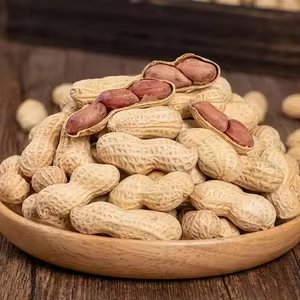
Peanuts, known in East Africa as groundnuts, are grown by smallholders across central Tanzania and northern Uganda. Ours are shelled, cleaned, sized and hand-picked before bagging.
Types
- Raw redskin peanuts — kernels with the red skin on, sized by count per ounce: 40/50, 50/60, 60/70 and 70/80.
- Raw blanched peanuts — skin removed, whole or split, for peanut butter, confectionery and snacks.
- In-shell peanuts — for roasting in the shell.
Food safety
Aflatoxin is the key risk in peanuts. Lots are dried, sorted and tested, and supplied to the limit your market sets. Tell us your destination so that we test to the right standard.
Peanuts (Groundnuts) specifications
Typical values for our standard export lots of peanuts are listed below. Every lot is sampled and tested before loading, and the certificate for your shipment shows the actual results. If your market or process needs a tighter limit, tell us when you ask for a quote.
| Moisture |
8% max |
| Admixture |
1% max |
| Broken / split (redskin wholes) |
5% max |
| Aflatoxin |
tested per lot, to destination limit |
| Sizing |
by count per ounce |
| Crop |
current crop, confirmed per offer |
| Origin |
Dodoma, Singida & Tabora (Tanzania) · Northern Uganda |
| HS code |
1202.42 (shelled) · 1202.41 (in shell) |
| Season |
Harvest May – July; available from store year-round |
Packing, loading and minimum order
The minimum order for peanuts is 1 × 20ft FCL (approx. 18 MT). Standard packing: 25 kg or 50 kg bags; 25 kg vacuum cartons for blanched kernels. A 20ft container takes approx. 18–19 MT, and a 40ft container approx. 25–26 MT, depending on packing and the weight limits of the shipping line. Cargo is loaded at our base in Dar es Salaam, Tanzania or at the nearest port to origin, with photos of the loading and container seal sent to you the same day. Private labels, buyer-supplied packing and mixed loads with other products from our catalog can be arranged on larger or repeat orders.
Quality checks and inspection
Every lot is cleaned, sorted and checked for moisture, foreign matter and defects before bagging, and samples are retained for each shipment. Where your market requires it, lots are tested for aflatoxins, pesticide residues and microbiology by an accredited laboratory. Independent inspection by SGS or another company you nominate can witness sampling and loading.
Export documents supplied
Each shipment travels with the documents your customs broker needs to clear the goods:
- Commercial invoice and packing list
- Phytosanitary certificate
- Certificate of origin
- Certificate of analysis (quality and, where needed, aflatoxin)
- Fumigation certificate where required
- Bill of lading
Storage and shelf life
Dry goods are stored in clean, dry and well-ventilated warehouses on pallets, away from walls and other products. Properly dried and stored lots keep their quality for many months; the crop year and lot number are marked on every bag so stock can be rotated.
What affects the price
Our peanuts prices are quoted per order. Prices follow the crop and world markets, so we quote per shipment with a short validity. The price depends on the grade, quantity and number of shipments, the packing, the price basis (EXW, FOB or CIF), the destination port and the payment terms; contracts for several shipments in a season get the best rates.
How to order
- Send an inquiry with the grade, quantity, destination and preferred price basis, using the form or WhatsApp button on this page.
- Receive an offer with availability, price, shipment date and payment terms, and request samples if you need them.
- Sign the contract, agree the inspection and arrange payment, usually a letter of credit or a deposit with the balance against documents.
- Track the shipment with loading photos, the container number and copies of all documents before the original papers are sent.
Questions about peanuts that are not answered here? Our trade desk replies with details and current prices.
Related products and buyer resources
Further reading
Background and trade standards: peanut (Wikipedia) and International Nut and Dried Fruit Council. Contract terms follow the ICC Incoterms® rules.